Faulty pink and blue slips
Transport for NSW (Transport) is targeting defective light vehicles found with misleading, false, fraudulent or compromised safety inspection reports.
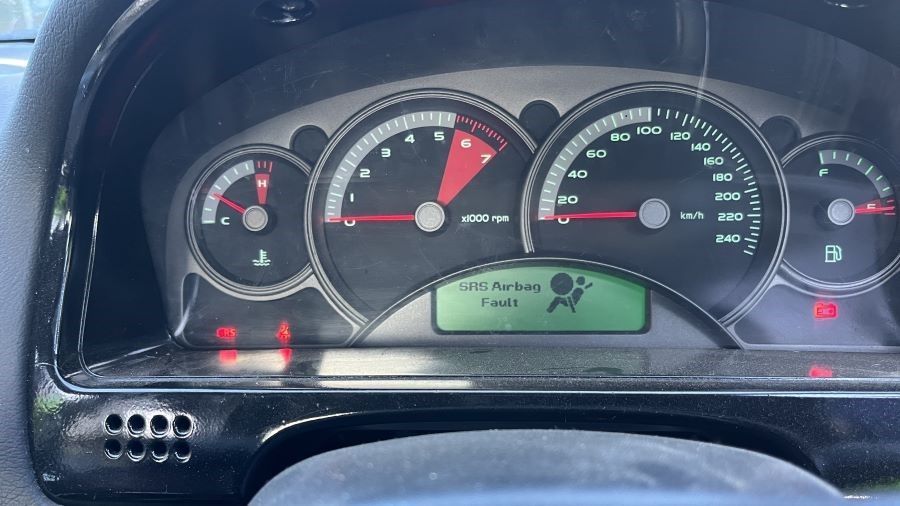
Transport identified more than 3,600 defective vehicles, most of which were flagged through fraudulent safety inspection reports during the registration process.
Particularly concerning were the number of faulty blue slips, used to establish registration, clear defects and change records, that posed a greater risk of having dangerous vehicles on the road.
Approximately 3,000 customers who had used fraudulent pink slips to renew their registration received warning letters from Transport and were encouraged to have their vehicles correctly inspected each year. The remaining, more dangerous vehicles, were found to have defects including:
- Inoperative and/or removal of SRS airbag systems
- Non-compliant/inoperative lighting
- Cracked and compromised windscreens
- Inoperative and/or compromised braking systems
- Uncertified modifications to ride height, seating, suspension, wheel track, exhaust and tyres
- Non-compliant bull bars
- Frayed, missing an/or failing to retract seatbelts
- Advanced rust in structural components
- Uncertified engine modifications and enhancements
- Engine fluid leaks.
Last month, as part of this ongoing operation, officers travelled to Grafton to inspect local vehicles, where two were found to be defective and issued with notices.
Two owners cancelled their registrations instead of attending the inspection, and the remaining two vehicles were found to be compliant with no issues.